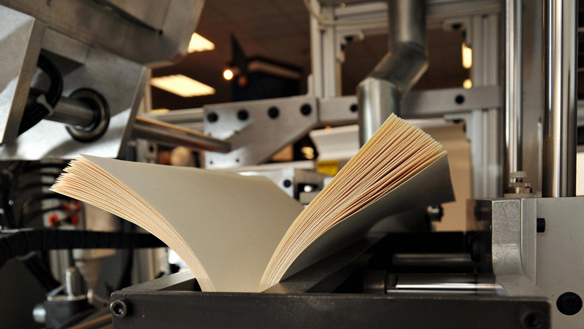
Penerbit Buku Terbesar di Dunia – Sebagian besar penerbit besar adalah bagian dari konglomerat media yang lebih besar, kecuali penerbit indie terkemuka, dan pencarian penerbit buku terbesar tahun ini sering kali menghasilkan perusahaan yang bekerja dengan bentuk konten lain daripada buku.
10 penerbit buku terbesar pada tahun 2020 menurut data terakhir, bersama dengan profil siapa mereka dan apa yang mereka lakukan. https://www.mustangcontracting.com/
1. Penguin Random House
Pendapatan tahunan: $ 3,3 miliar
Jejak penting: Knopf Doubleday, Crown Publishing, Viking
Press
Judul terbesar tahun 2019: The Testaments oleh Margaret Atwood, Where the Crawdads Sing oleh Delia Owens, The Guardians oleh John Grisham. bet88
Dibentuk pada tahun 2013 melalui penggabungan Penguin Books
dan Random House, Penguin Random House (PRH) bukan hanya penerbit Big 5 itu
dianggap sebagai penerbit terbesar di industri ini. Ini memiliki lebih dari 200
divisi dan jejak, di samping yang tercantum di atas. PRH sendiri dimiliki
bersama oleh perusahaan multinasional Pearson PLC dan Bertelsmann, yang
bertanggung jawab atas jumlah keuangan mereka yang cukup besar setiap tahun.
Dalam hal statistik penerbitan aktual, PRH mengeluarkan lebih dari 15.000 buku
setahun dan menjual sekitar 800 juta salinan cetak, audio, dan ebooks setiap
tahun.
2. Hachette Livre
Pendapatan tahunan: $ 2,7 miliar
Jejak penting: Grand Central Publishing, Little, Brown and
Company, Mulholland Books
Judul terbesar tahun 2019: Talking to Strangers oleh Malcolm
Gladwell, One Good Deed oleh David Baldacci, Little Weirds oleh Jenny Slate
Hachette Livre adalah penerbit Big 5 lainnya, penerbit
terbesar di Perancis dan salah satu penerbit terkemuka di seluruh Eropa. Itu
dimiliki oleh Grup Lagardère dan mencakup lebih dari 150 cetakan. Hachette
Livre secara resmi dibentuk pada tahun 1992, ketika aset penerbitan Hachette SA
(bekas perusahaan induknya) dikumpulkan menjadi satu anak perusahaan tunggal.
Sejak itu HL telah tumbuh dan saat ini menerbitkan sekitar 20.000 buku per
tahun bahkan lebih dari PRH, untuk mereka yang mendapat skor.
3. HarperCollins
Pendapatan tahunan: $ 1,5 miliar
Jejak penting: Avon Romance, Harlequin Enterprises, Harper,
William Morrow
Judul terbesar tahun 2019: Girl, Stop Apologizing oleh Rachel
Hollis, On the Come Up oleh Angie Thomas, The Last Romantics oleh Tara Conklin
HarperCollins adalah penerbit Big 5 lainnya, meskipun
pendapatannya pada 2018 lebih rendah dari PRH dan Hachette sekitar $ 1,5
miliar. HarperCollins diciptakan pada tahun 1989 melalui merger
multi-perusahaan, mengambil namanya dari mantan raksasa penerbitan Harper &
Row dan William Collins. Saat ini merupakan anak perusahaan dari News Corp dan
memiliki lebih dari 120 jejak individu, yang sebagian besar berbasis di AS.
(Fakta lain yang menyenangkan tentang HarperCollins adalah bahwa ia menerbitkan
lebih banyak buku terbaik kami tahun 2018 daripada penerbit lain kecuali PRH,
dengan judul HarperCollins termasuk The Woman in the Window dan I’ Be Be Gone
in the Dark.)
4. Penerbit Macmillan
Pendapatan tahunan: $ 1,4 miliar
Jejak penting: Farrar, Straus and Giroux, Picador, Thomas
Dunne Books
Judul terbesar tahun 2019: The Great Alone oleh Kristin
Hannah, The Silent Patient oleh Alex Michaelides, Me oleh Elton John
Penerbit Macmillan adalah cabang lain dari kerajaan Grup
Penerbit Holtzbrinck. Inkarnasi Macmillan saat ini dibentuk melalui merger
tahun 2015 – meskipun asetnya kurang lebih sama sejak sebelum merger.
Bagaimanapun, meskipun Springer secara teknis menghasilkan lebih banyak
pendapatan, Macmillan tetap menjadi nama yang lebih terkenal. Ini adalah
penerbit Big 5 dengan sejarah terkenal sejak tahun 1843, menerbitkan karya asli
penulis seperti Lewis Carroll, Rudyard Kipling, dan W.B. Yeats.
5. Simon & Schuster
Pendapatan tahunan: $ 830 juta
Jejak penting: Howard Books, Scribner, Touchstone
Judul terbesar tahun 2019: Salt, Fat, Acid, Heat oleh Samin
Nosrat, The Institute oleh Stephen King, Howard Stern Comes Again oleh Howard
Stern
Simon & Schuster adalah penerbit Big 5 terakhir dalam
daftar ini, dengan pendapatan 2019 sekitar $ 830 juta. Perusahaan ini didirikan
pada tahun 1924 dan sekarang merupakan anak perusahaan dari CBS Corporation.
Simon & Schuster adalah penerbit asli penulis “Lost Generation”
seperti Hemingway dan Fitzgerald, dan sejak itu menerbitkan banyak penulis terkenal
seperti Stephen King dan Dan Brown. Saat ini merilis lebih dari 2.000 judul per
tahun, dan beberapa dari 2018 buku terlarisnya tercantum di atas.
“5 besar” lainnya dalam penerbitan berkisar pada
pasar pendidikan besar: banyak penerbit pendidikan mengecilkan ukuran pers
perdagangan tradisional. Karenanya, 5 penerbit pendidikan teratas adalah
beberapa penghasil terbesar di industri ini, seperti yang akan segera Anda
lihat di bawah ini.
6. McGraw-Hill Education
Pendapatan tahunan: $ 1,7 miliar
Jejak penting: Glencoe/McGraw-Hill, Macmillan/McGraw-Hill,
McGraw-Hill Higher Education
Judul terbesar tahun 2019: New editions of test prep books
(SAT and ACT) and elementary school math textbooks
McGraw-Hill Education harus membunyikan lonceng bagi siapa
saja yang mengalami keajaiban sistem sekolah umum Amerika. Sebagai salah satu
penerbit pendidikan “big five”, McGraw-Hill telah lama memainkan
peran utama dalam menyediakan buku pelajaran dan materi kurikulum lainnya untuk
perangkat K-12.
7. Houghton Mifflin Harcourt
Pendapatan tahunan: $ 1,4 miliar
Jejak penting: Clarion, Graphia, John Joseph Adams Books,
Sandpiper
Judul terbesar tahun 2019: buku pelajaran sekolah dasar di
semua mata pelajaran, serta buku masak
Resmi dibentuk pada 2007 setelah merger antara (Anda dapat
menebaknya) Houghton Mifflin dan Harcourt, Houghton Mifflin Harcourt adalah
penerbit pendidikan “big five” terbesar kedua. Meskipun sebelumnya
merupakan anak perusahaan dari Grup Media dan Penerbitan Pendidikan, HMH
sekarang memiliki sendiri dan semua cetakannya, termasuk Holt McDougal dan
Riverside Publishing.
8. Pearson Education
Pendapatan tahunan: $ 1 miliar
Jejak penting: Adobe Press, Heinemann, Prentice Hall,
Wharton Publishing
Judul terbesar tahun 2019: Buku teks pelajaran untuk
pendidikan tinggi
Seperti yang Anda ingat, Pearson PLC juga memiliki Penguin
Random House, tetapi divisi Pendidikan Pearson terbatas pada teks akademik. Ini
adalah yang ketiga dari penerbit pendidikan “lima besar” dan, mirip
dengan rekan-rekannya, Pearson Education telah membuat langkah digital yang
hebat untuk tetap berada di puncak pasar selama beberapa tahun terakhir. PE
baru-baru ini bermitra dengan layanan pembelajaran bahasa DuoLingo untuk
menjangkau lebih banyak konsumen, dan itu juga mendirikan layanan penyewaan
buku teks yang dioperasikan situs web. Memang, seperti penerbit pendidikan
lainnya, buku teks tetap menjadi landasan bisnisnya.
9. Scholastic
Pendapatan tahunan: $ 1,7 miliar
Jejak penting: Arthur A. Levine, Klutz Press, Orchard Books
Judul terbesar 2019: Dog Man: Fetch-22 oleh Dav Pilkey, Guts
oleh Raina Telgemeier, Diary of an Ice Princess oleh Christina Soontornvat
Penerbit utama lain dari buku-buku pendidikan serta buku
anak-anak, Scholastic didirikan pada tahun 1920 dan tetap relatif utuh yaitu
tidak seperti banyak penerbit lain, tidak ada orang lain yang memilikinya.
Scholastic adalah penerbit dan distributor terbesar buku anak-anak di dunia,
dengan hak abadi untuk banyak anak-anak paling terkenal dan seri YA sepanjang
masa, seperti Harry Potter (baru-baru ini diperoleh dari Bloomsbury) dan The
Hunger Games. Pendapatan tahunannya rata-rata sekitar $ 2 miliar selama
beberapa tahun terakhir, dan secara konsisten menerbitkan beberapa judul paling
populer dalam literatur anak-anak.
10. Cengage Learning
Pendapatan tahunan: $ 1,5 miliar
Jejak penting: Chilton, Education To Go, Gale, National Geographic
Learning
Judul terbesar tahun 2019: Buku referensi Gale ditargetkan
untuk siswa sekolah menengah dan menengah
Cengage adalah penerbit pendidikan yang sedang naik daun,
terutama setelah laporan fiskal terbarunya. Cenga Keuntungan ge tahun lalu
sebagian besar berasal dari buku teks online dan materi kursus lainnya, mirip
dengan McGraw-Hill. Namun, meskipun model bisnisnya sekarang berbasis digital,
Cengage masih terkait dengan penerbitan tradisional dalam bentuk divisi
perpustakaan yang disebut Gale. Antara penelitian dan penerbitan akademik yang
dilakukan Gale dan sumber daya online menyeluruh yang disediakan Cengage, kita
bisa berharap melihat Cengage naik dalam peringkat ini dari waktu ke waktu.